Solving Part of Their Problem
 Gregg Blanchard /
If someone asked me to rank my favorite marketing principles, I’d put this simple line right at the top of the list:
Solve part of your customers problem.
The perfect example of this is a free sample at the grocery store. The main problem the customer needs solved is a jar of salsa for the fridge, but that problem is full of lots of other things like spiciness and flavor and cost. A sample doesn’t solve the whole problem – needing a bottle of salsa – but it solves part of the problem – whether they’ll enjoy it – and increases their chances of buying many times.
It also invokes the classic law of reciprocity where folks are more likely to return a favor (buying a bottle of salsa) if given one first (a free snack during their shopping trip).
This principle works beautifully in the world of smaller SaaS.
Let me share a few examples.
1) Part of the Platform
Offering a free plan for your product includes the expectation of support which, if your conversion on free plans to paid is low (like it usually is) can crush a small SaaS platform. However, if you pull out one feature from your platform that solves one part of your customer’s problem and offer that as a free tool separate from your platform? Suddenly you have a great bit of marketing content (yes, I treat tools as content) with no expectations of support.
A perfect example is ESP Finder that I build for SendView (my side hustle). One part of the platform is our ability to identify the ESP of an email purely from its code. So, we made it so you can forward any email to esp@sendview.io and instantly get a response with the ESP.

It works because it solves part of their problem (the answer to “what ESP is ___ using”) but not the whole problem (tracking everything about your competitors’ emails) while also proving that we can actually solve that problem along the way.
Last year almost 20,000 people used this tool and it was one of SendView’s main sources of growth even though I only get a few support emails a year from those users.
2) Stuff They Need to Use the Platform
A marketing platform is a perfect example of something that you don’t just flip a switch and you’re done, you have to bring ideas and strategy to the table. The better the ideas, the more value you get from the platform. This was the case with Inntopia Marketing Cloud, my day job. So, we pooled all of our account manager’s experience, lessons, and expertise into a book we called the Ultimate Guide to Resort Marketing Automation.
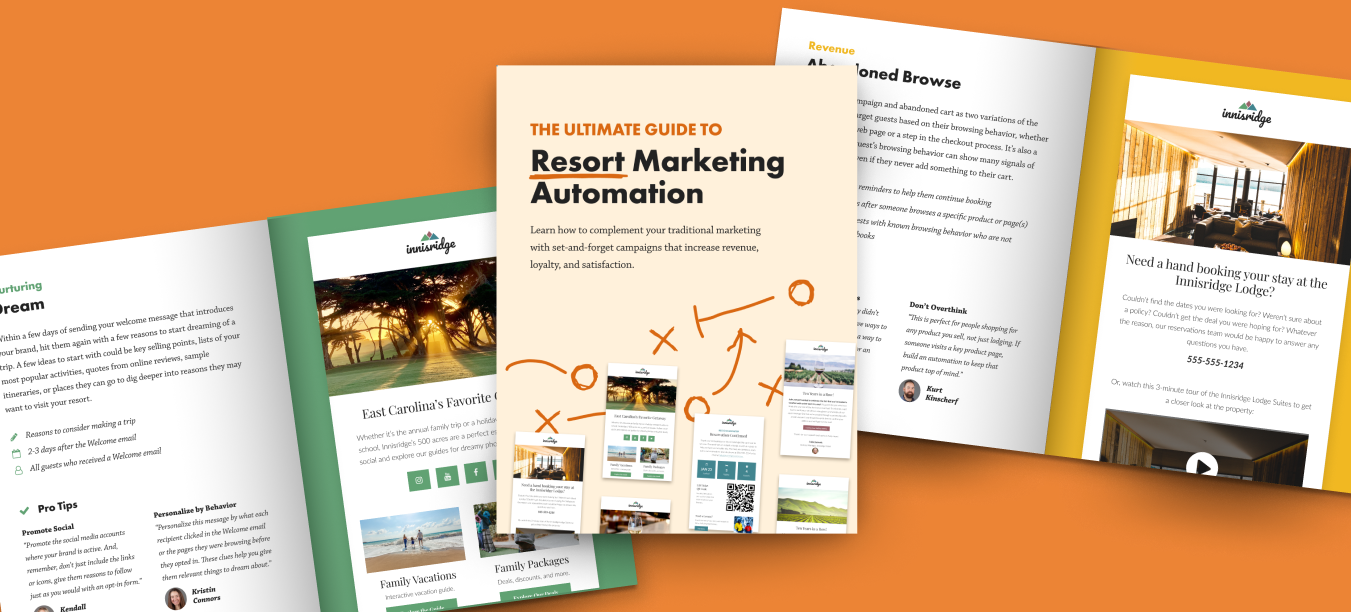
It solved part of our prospects’ problem by giving them great ideas for marketing that could increase revenue and guest loyalty, but it didn’t give them the platform they needed to act on those ideas. As a result, we got over 300 people to download the book after we launched which turned into a decent number of meetings with the sales team.
Not bad when you consider our market is only about 1,000 resorts.
3) Questions They’ll Face
When I joined Ryan Solutions (now Inntopia Marketing Cloud) in 2011, they were the first company to have really cracked open the insights and value locked inside resort guest data. As a result, our clients were doing some amazing things. We did a good job of showcasing those campaigns, but we wanted to showcase the data, the depth, the power that we were unlocking.
So we started The Stash where every week we’d ask some question resort marketers were curious about, dig into the data, and share the answer in a short article like this one where we compared different methods of showcasing discounts in email subject lines. We even turned groups of similar answers into books so we could take our problem-solving content to tradeshows and events.
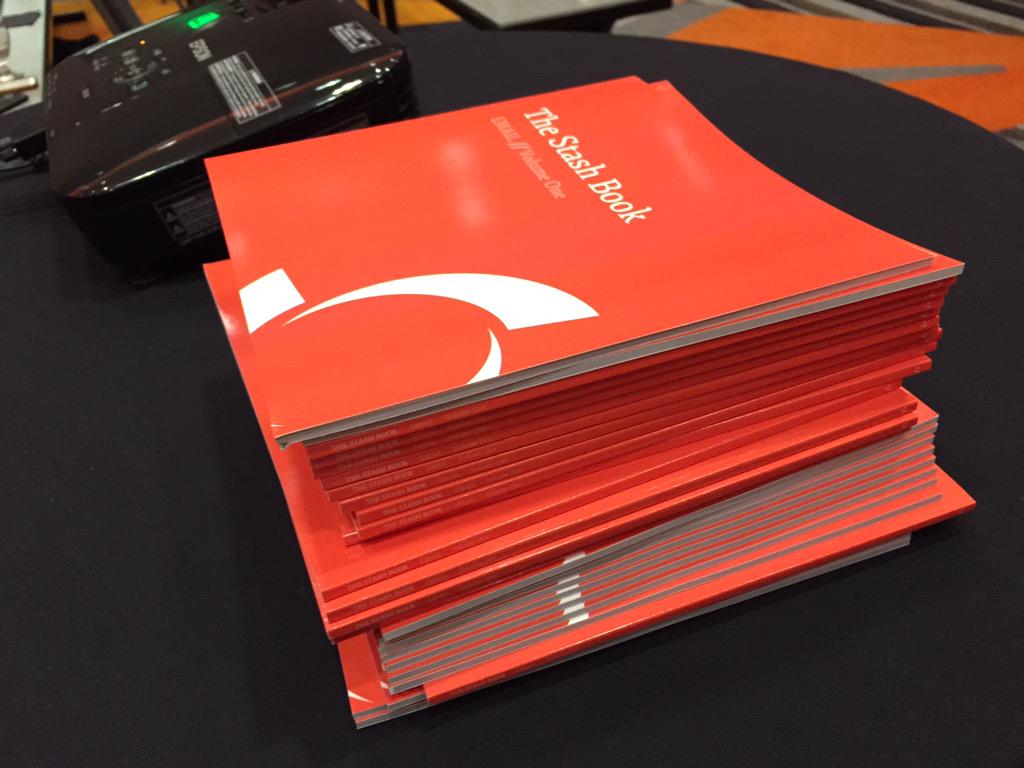
We did this every week for nearly 5 years and for a good chunk of that time this single, weekly series was generating the majority of our leads. Why? Because we were solving part of their problem – answering questions they needed to make daily decisions as a marketer – but, like the previous point, they still needed a platform they could use to act on those answers.
The cherry on top was that, the longer this series went on, the more we were also showcasing and proving the depth of our data.
Just a Little
I think the key here is to not solve too much of the problem. That, after all, is the job of your product that people should be paying for.
But if you can find some part of the problem you can solve and provide for free, that’s huge. For example:
- Profitwell offered free SaaS analytics to help you identify issues, then the paid platform helped you solve them.
- Transistor has a free podcast art generator for your episodes, then the paid platform gives you a place to upload and host them.
- Rewardful has a calculator to calculate affiliate earnings, then the paid platform actually lets you run an affiliate program.
- Userpilot has a blog teaching you how to do engage customers, then the paid platform enables you to do the things they teach.
As is probably obvious by now, I’m a big believer in the idea that tools are content in the world of SaaS marketing. That probably deserves a separate post, but I’ll wrap this up for now by pointing out that I love how this idea has helped me simply focus my content brainstorming on the things that actually move the folks who consume that content closer to becoming actual users of my platform.
I’m not just looking for content that’s nifty or entertaining or interesting, I’m looking for content that solves part of my audience’s problem.